
SugarMum to determine how best to tackle gestational diabetes in Denmark
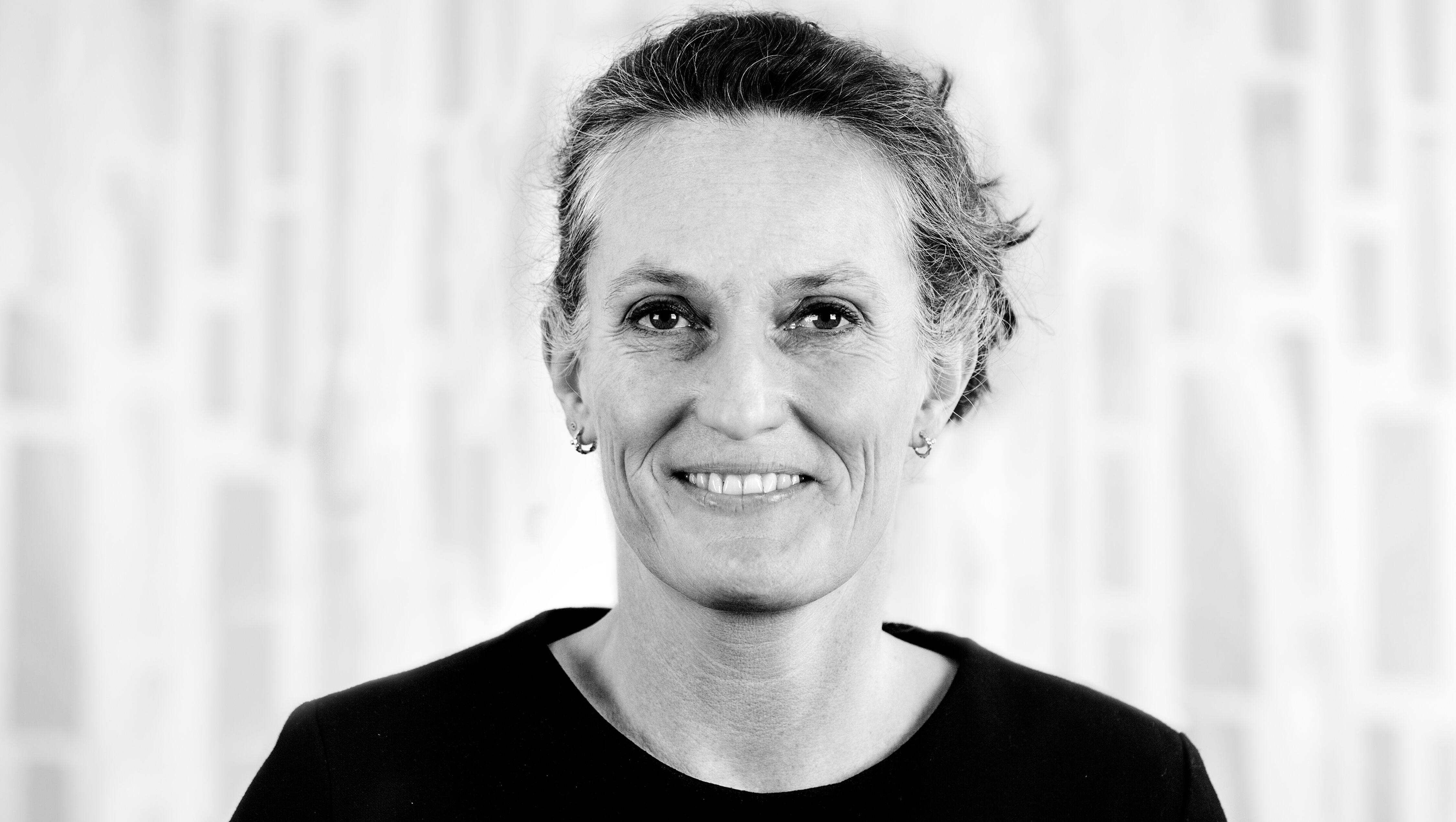
A team of Danish researchers has just begun data collection for the study that may show how we can best tackle gestational diabetes in Denmark. ‘We’re short of the final bit of money to complete the full study, but we hope we get it, because the start of the data collection is exceeding all expectations. The women think it’s an important study and are very interested in taking part’, says Tine Dalsgaard Clausen, who is leading the ‘SugarMum’ study.
She is a clinical associate professor and consultant at the Department of Gynaecology and Obstetrics at North Zealand Hospital. One of those hoping that the study secures full funding is Professor David McIntyre, the Head of Mater Clinical School at the University of Queensland in Brisbane, Australia.
He came here a couple of years ago as a visiting professor funded by the Danish Diabetes Academy, intending to implement the WHO’s new recommendations on the screening of all pregnant women for gestational diabetes. New information, obtained jointly with Danish colleagues, made him change his mind: he now says it is not the case that ‘one size fits all’: ‘Solutions need to be local and tailored to resources, local health care systems and the family setting’, he says. Read about him and his study in the article One size doesn’t fit all when it comes to screening of gestational diabetes in Denmark by the new WHO criteria.
‘The basis McIntyre is calling for is exactly what we want to create’, says Tine Dalsgaard Clausen, who has already obtained grants from Capital Region, locally from the North Zealand Hospital Research Fund and from smaller private foundations.
WHO recommendations will mean all pregnant women being tested for GDM
If the WHO recommendations are introduced in Denmark, it will mean the gestational diabetes test being offered to 60,000 pregnant women a year. A Danish study has estimated that, with the WHO’s diagnostic threshold, up to 40% of Danish pregnant women will receive a diagnosis of gestational diabetes, as opposed to 4.7% at present.
‘The study the WHO’s recommendation is based on did not include Danish women, however. It is therefore a concern that the WHO’s recommendations are not well founded as regards the Danish population. For example, we do not know 1) by exactly how much the prevalence of gestational diabetes will rise in Denmark; 2) whether there is a health benefit to women diagnosed on the basis of the WHO recommendations as compared with Danish diagnostic guidelines; 3) what financial and logistical implications it will have for the Danish health service’, says Tine Dalsgaard Clausen.
The ultimate objective: finding a Danish model
Ultimately, the objective of the study is to find the model of gestational diabetes screening and diagnosis in Denmark that pathologizes as few people as possible with the greatest possible health benefit within a realistic financial framework. ‘For mothers and babies as well as the economy, it may be important to reach the mothers who need to be reached, but not all pregnant women as the new WHO recommendations say’, she says.
Around 2,800 women a year (4.7% of the 60,000 who give birth) are diagnosed with and treated for diagnostic diabetes in Denmark. This is obviously too few because, numerically, the majority of gestational diabetes-related pregnancy complications occur in women who have not been caught by the current screening method – i.e. women who do not have a BMI above 27, family susceptibility, sugar in their urine or previous gestational diabetes, and who have not given birth to a baby weighing more than 4,500 grams, to name the most important signs.
The problem is that women with gestational diabetes have no symptoms, so they can only be identified by screening.
This means that women who are not caught also miss out on the offer of effective treatment for serious conditions caused by GDM: pre-eclampsia, abnormal foetal growth, premature birth, birth trauma and caesarean section, as well as subsequent development of cardiovascular disease, diabetes and high blood pressure in both mother and child.
The WHO recommends screening women in the second trimester, which we also do in Denmark. Tine Dalsgaard Clausen’s hope is that early screening of all pregnant women will be able to identify a potentially bad outcome of the pregnancy. ‘If we can find some indicators earlier on in pregnancy to show that the baby will get big, that it will end in a caesarean section or that the mother will get pre-eclampsia and elevated blood sugar, we hope we will get better at avoiding complications by taking preventive action at an early stage in the pregnancy’, she says.
Weighing up the pros and cons: cost/benefit analysis
After the project is completed, a so-called cost/benefit analysis will weigh up the pros and cons of implementing the WHO’s guidelines. The researchers will also determine, on the basis of the project, what treatment should be like in the enlarged patient group.
In addition to Tine Dalsgaard Clausen, the study will be carried out by doctor and future PhD student Cathrine Munk Scheuer of the Department of Gynaecology and Obstetrics at North Zealand Hospital in collaboration with a large number of colleagues from Denmark and abroad.
FACTS
In May 2019, the Danish Diabetes Academy held a workshop to assess the situation around gestational diabetes screening in Denmark. The workshop was attended by leading international and national experts in the field, together with representatives of the Danish Health Authority. Following the meeting, the clear conclusion was that the SugarMum project is a prerequisite for enabling an evidence-based decision to be reached on future gestational diabetes screening in Denmark – a decision that ought to ensure proper screening and treatment for a large group of pregnant women and their children, but should also take account of the financial and organizational burden that a change to the screening procedure would entail for an already highly pressured health service.