
Strong network and collaboration behind 32-page Danish-language chapter on treatment of diabetes distress
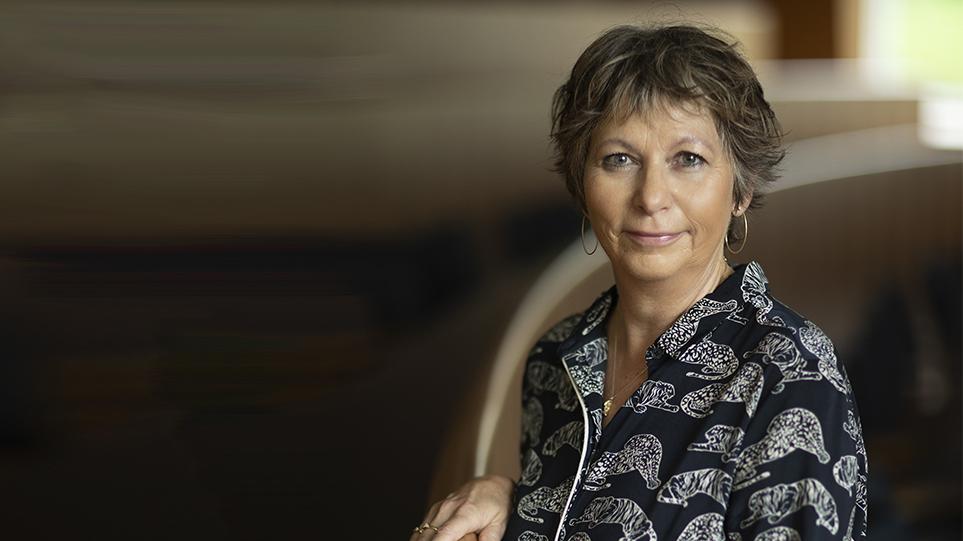
A December workshop in 2019 attended by leading American and a British diabetes psychology researchers have resulted in a Danish-language chapter on diabetes distress.
Diabetes distress can lead to serious quality of life issues for people living with diabetes. Diabetes demands day-to-day attention, and it impacts a person’s habits and emotional life. The existence of diabetes distress has been clearly demonstrated by solid research, but research based tools and methods to address diabetes distress are still in their infancy.
In recent years, though, there has been some progress in the development of support and treatment for diabetes distress. In December 2019, the Danish Diabetes Academy held a workshop entitled ‘Diabetes Distress Interventions’ and the 21 participants had the opportunity to work from the most up-to-date research-based knowledge and experience. Professor Ingrid Willaing, of the Steno Diabetes Center Copenhagen has for 10 years been in touch with, and collaborating with, University of California, San Francisco (UCSF)-based psychologist Professor Larry Fisher.
‘Larry Fisher is one of the most experienced researchers in diabetes psychology, which has been his field since the 1970s. He is the originator of some of the most-used screening tools in this area, he is at the forefront with research into support for diabetes distress and being able to hold this workshop in collaboration with him and draw on his vast knowledge of the development and implementation of diabetes distress interventions was a fantastic opportunity’, says Professor Ingrid Willaing.
Strong motivation to continue the work
In addition to Professor Fisher, other experts acted as facilitators at the workshop: psychologist Danielle Hessler Jones PhD of the University of California, San Francisco (UCSF) and, from the UK, Professor Jackie Sturt of King’s College London, a Visiting Professor at the DDA since December 2019. There was discussion of how to prevent diabetes distress and how it is possible to support management of diabetes distress. There is no formally recognized and systematic approach to support and treatment of diabetes distress in Danish clinical practice, and in other countries, this is the case, too.
After the workshop, there was a lot of enthusiasm and motivation for more development and further collaboration. The participants joined a network, and the first meeting dates were marked in the 2020 calendar. Then the world was hit by the Coronavirus.
‘The aim of the workshop was to translate our knowledge into methods that we could use. The exchange of ideas and the development were meant to continue in the network. When we were suddenly unable to meet, we decided to nurture the use of relevant, practically applicable literature about the field. At the workshop, we discovered that there was a need for some literature in Danish, adapted to Danish culture and the Danish context’, says Ingrid Willaing, who once again made use of her extensive network and gained the opportunity to translate an exciting practical guide from Australia.
‘In the Australian textbook Diabetes and emotional health: A practical guide for health professionals supporting adults with type 1 or type 2 diabetes, there was a chapter that we could translate into Danish about support of people with diabetes distress which could be adapted to Danish culture and healthcare context. We contacted the authors, and a protracted negotiation ensued. By about the summer of 2020, an agreement was in place, and by early 2021 the translation of the chapter was complete’, says Ingrid Willaing.
Difficult conversations about emotions: Chapter will guide healthcare staff
The clinical approach to diabetes distress is multi-faceted. It involves people and emotions and communicating about diabetes distress can be difficult both for the person experiencing it and for healthcare providers. The translated chapter, entitled Diabetes distress: A practical guide for health professionals, contains a step-by-step guide including specific questions that healthcare staff can make use of. There are sections on the symptoms of diabetes distress and on the considerations that need to beconsidered in order to offer the right treatment and support to the individual person with diabetes. It is a chapter worth saving on your hard disc – as many people have already discovered.
‘We’ve had incredibly good feedback. It’s been very positive. There are physicians, diabetes educators, nurses and other health care providers who have found the chapter very relevant and directly applicable. This translation has been a positive experience that we will build on, as there clearly is a great need for research based methods and tools in this area’, says Ingrid Willaing.
Facts:
- Read the chapter: Diabetes distress: A practical guide for health professionals (sdcc.dk, in Danish)
- Diabetes distress is the term denoting the negative emotional stresses and worries caused by living with and managing diabetes in everyday life.
- Danish questionnaire studies have shown that around one in four people with type 1 diabetes and one in four with type 2 diabetes suffer from diabetes distress. The latest (unpublished) Danish survey indicate an even higher incidence of diabetes distress.
- The Danish book chapter has been translated by researchers from SDCC, Diabetes Management Research, and the work has been funded by SDCC Health Promotion Research, SDCC Education and the SDCS, Steno Diabetes Center Zealand.
By Pernille Fløjstrup Andersen, Communications Officer, Danish Diabetes Academy
Photo by Lizette Kabré, background edited by Maria Friis