
Framing the Importance of Research: Diabetes from a Patient’s Perspective
by Mie Tomzak
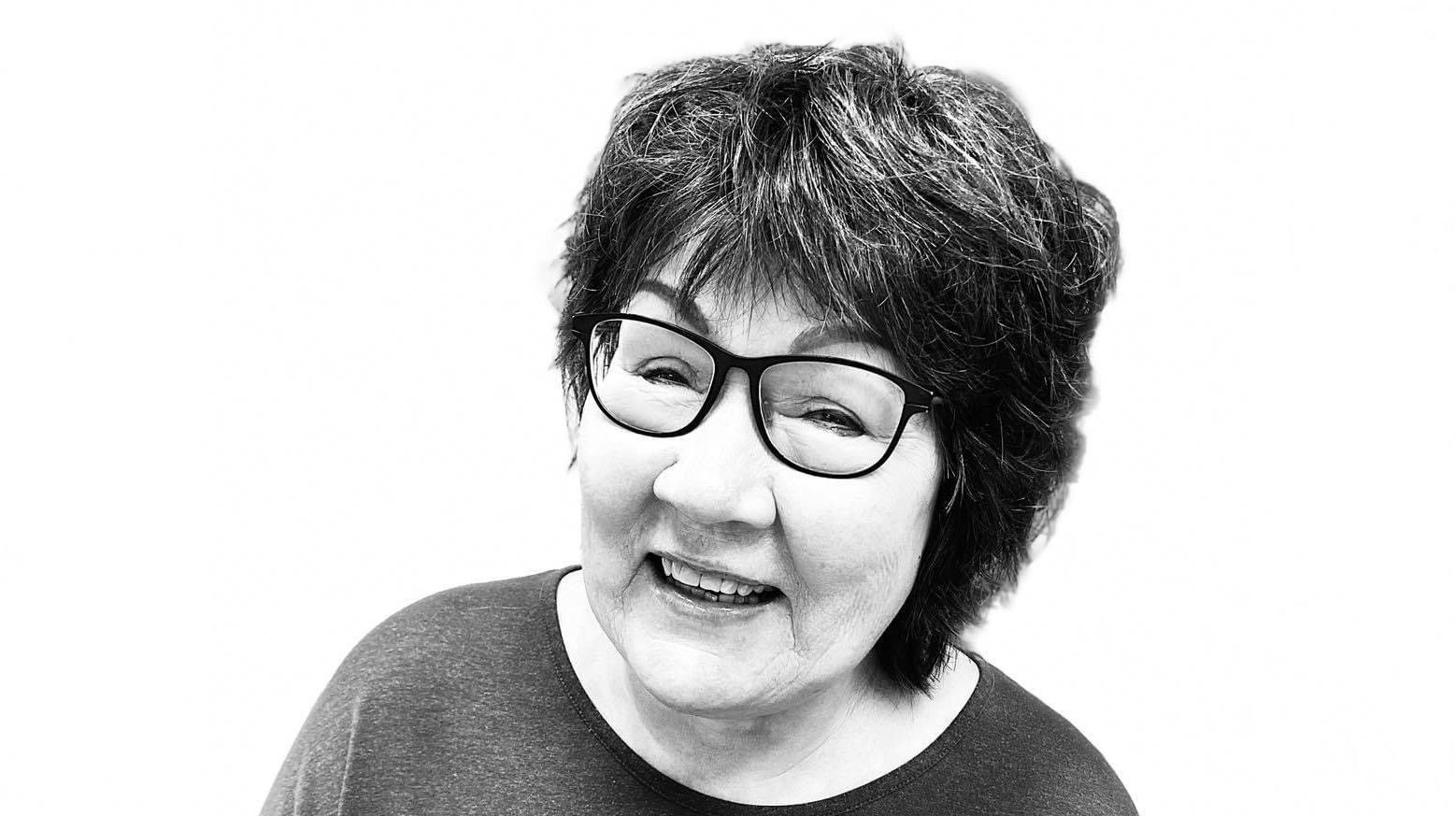
At the Basal Cardio-Metabolic PhD Course in October, one of the speakers was neither a professor nor a researcher, and yet her presentation was very well received. Hanne Yderstræde has lived with type 1 diabetes for most of her life, and thus her insights can be important for understanding the real-life struggles of living with diabetes.
The Basal Cardio-Metabolic PhD Course in October was about giving participants an understanding of the basal molecular mechanisms involved in developing diabetes and cardiovascular disease. The course was jointly organised by the Danish Diabetes Academy and the Danish Cardiovascular Academy.
The first speaker at the event was Hanne Yderstræde with the presentation ‘A life with diabetes and vascular complications – a patient’s tale’. The aim of her presentation was to give the participants an important perspective for the rest of the course. Not all researchers get to meet face to face with the patients who might benefit from their work, and many participants of the course saw it as a valuable opportunity.
“Hearing directly from a patient what it is like to live with the health related challenges of chronic disease can give researchers a lot of insight to connect to their research,” explains Hanne Yderstræde.
The value of real-life experience
Hanne Yderstræde has lived with type 1 diabetes since she was 5 years old. Hanne is trained as a social worker, and she has worked primarily with physically and mentally challenged children and youths. She had to go into early retirement at 48, mainly because of neuropathy caused by diabetes. However, she has also had another full-time ‘job’ since she was a little girl: Managing her type 1 diabetes.
Hanne has held the title of course supervisor at the Danish Diabetes Association for the past 11 years. She sees the great value of speaking at events and sharing her experience of living with type 1 diabetes. Hanne also suffers from various consequence diseases. She has to take many different medications and deal with a whole lot of management. Other than the practical aspects, there is also the challenge of living with fear, such as the fear of losing her sight.
Even with many ‘downs’ during her lifetime, Hanne understands that the best way to inspire change is to speak openly about her struggles. For instance, Hanne’s perspective as a life-long diabetes patient helped frame the real-life struggles of the disease for the participants at the Basal Cardio-Metabolic PhD Course.
“What I can provide, is an honest story about the importance of diabetes research. The researchers can do so much for us; they can have a huge impact on our lives. It is important that they are also reminded of this – that there are so many people who can benefit directly from their work,” says Hanne.
“It brings me joy when my presentations make listeners stop and think about the daily struggles of people living with diabetes. Diabetes is a disease steeped in so many misunderstandings and stigmas. So many people have an opinion about. Every time I tell my story, someone might learn something new, and that is what I want to fight for,” concludes Hanne Yderstræde.