
Diabetes researchers receive over 15 million kroner for projects demonstrating the wide range and high quality of Danish diabetes research
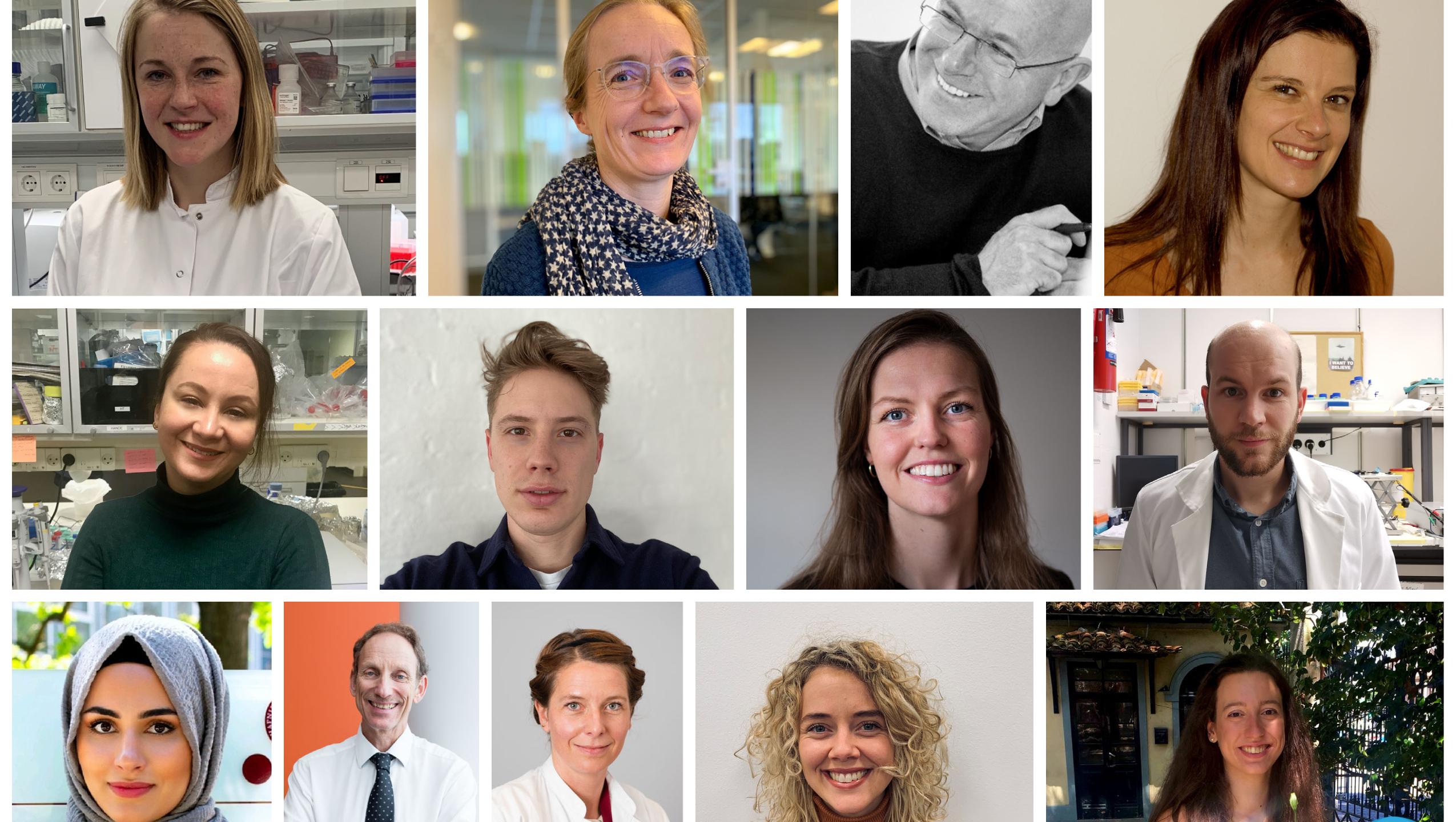
The Danish Diabetes Academy is once again providing millions in support to young diabetes researchers and visiting professors. The researchers – nine women and five men – will receive more than 15 million kroner for projects demonstrating that Danish diabetes research boasts talent and ambition reaching far beyond the country’s border.
The Danish Diabetes Academy (DDA) is rounding off 2020 by granting more than 15 million kroner to six PhD students, four postdoctoral fellows and four visiting professors – from Australia, Canada, the USA and the UK. This is the second time this year that the DDA has, in free and open competition, provided financial support to projects that will nurture and develop talented young diabetes researchers and Denmark’s research centres.
The researchers’ project descriptions show that diabetes research is broadly based and that it is carried on across disciplines, sectors and professional boundaries. Research will be conducted in the coming years on topics including metabolic disorders in relation to breast cancer, eating disorders in children and young people with type 1 diabetes, muscle insulin sensitivity in connection with training, obesity, appetite regulation and user involvement of people with diabetes and their relatives.
‘Diabetes research is necessary in many different areas. The DDA therefore provides support at various stages and in various areas. Some researchers will be discovering basic knowledge that can give us better insight into and greater understanding of the reasons why people develop diabetes, thus laying the ground for developing even better types of treatment for the disease and related complications in future. Others will base their research on existing knowledge and thereby take decisive steps toward the development of concrete tools and treatments’, says Allan Flyvbjerg, Chair of the DDA’s Board of Directors and CEO of the Steno Diabetes Center Copenhagen.
Children and young people in focus
Several of the projects are about children and young people. In her PhD project, a researcher from Aarhus will develop a questionnaire to detect signs of eating disorders in young people with type 1 diabetes. For this, she will recruit 500 children aged 11 to 18 from Central Denmark Region. In Copenhagen, a researcher will study the incidence of kidney disease, neurological disease, eye disease and cardiovascular disease in over 24,000 18-45-year-olds with diabetes. The project will also examine whether the target group has special characteristics, resources and needs.
Two researchers will work on cancer in relation to diabetes. A PhD project will look into potential causes of metabolic disorders, including impaired insulin sensitivity and obesity, in women with breast cancer. This information will potentially pave the way for new treatment options capable of reducing morbidity and mortality in these women. And a postdoc project will begin by investigating the effect of diabetes on the incidence of bowel cancer. The second part of the project will develop measures that can lead to more people with diabetes being screened earlier for bowel cancer.
Visits abroad to develop and build networks
International collaboration is an important component of all projects, and all eleven young researchers will go abroad to develop their skills and form networks. These visits will both enhance diabetes research in Denmark and nurture the individual researcher, as well as which it often happens that ideas developed in foreign climes turn into new projects in new collaborative relationships. Diabetes research is international, and Danish researchers are on a high international level.
‘The international reviewers agreed that the projects and applicants are of an exceptionally high international class and quality. It is important to the DDA that we support strong research talents and projects that can generate and transfer knowledge, and I believe that the researchers who have now received financial support are on their way to splendid research careers. I see a future both for them and for their projects’, says Allan Flyvbjerg.
Beneficial collaboration with industry
One of the research projects has been set up in collaboration with the life science industry, and Allan Flyvbjerg describes this partnership as beneficial to all parties. Therefore, he would appreciate if the future brings more of these collaborations.
‘Developing new diagnostic tools and treatment options demands close cooperation between researchers from universities, university hospitals and the life science industry. It is therefore gratifying to see that, this time, there is one project that will strengthen the ties between a young researcher’s innovative ideas and the life science industry’s greater financial muscle’, says Allan Flyvbjerg.
The grant recipients will be based at the University of Copenhagen, the University of Southern Denmark, Aarhus University, the Steno Diabetes Center Aarhus, the Steno Diabetes Center Copenhagen, Mental Health Centre Glostrup and Hvidovre Hospital.
For further information:
Allan Flyvbjerg, Chair of the Board of Directors, Danish Diabetes Academy – Tel. +45 5177 9548
Tore Christiansen, Managing Director, Danish Diabetes Academy – Tel. + 45 2964 6764
Read more about the researchers and their projects here.
The Danish Diabetes Academy (DDA) works to enhance the quality of Danish diabetes research so that it remains at the highest international level. It does this by educating and training the next generation of diabetes researchers. The DDA is active in education, networking and recruitment. The DDA is supported by the Novo Nordisk Foundation.