
Alliances and teamwork can help improve quality of life for cancer patients at increased risk of complications
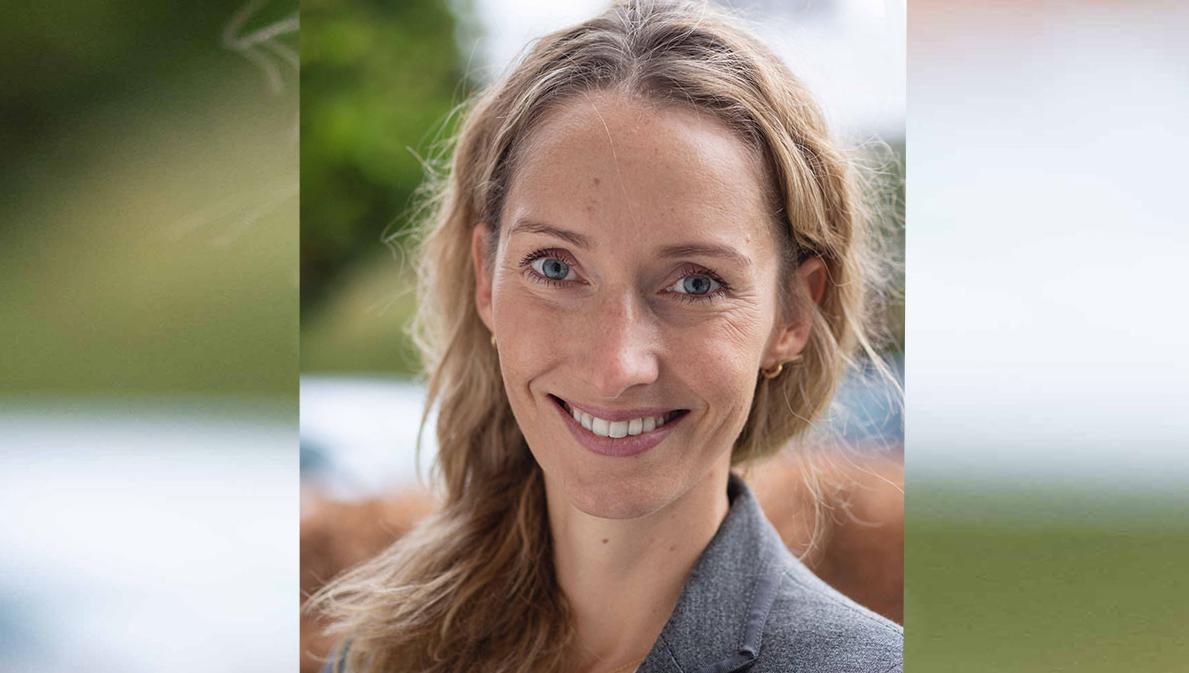
After years of research into metabolism, inflammation and blood glucose regulation in healthy people and type 2 diabetes patients, Louise Lang Lehrskov MD, PhD has now extended her research field to include cancer patients. This gives her the opportunity to bring about a longed-for improvement in teamwork between doctors to the benefit of cancer patients who may be at increased risk of developing type 2 diabetes.
Expanding her research horizon to include cancer patients has given Louise Lang Lehrskov MD, PhD a new lease of energy and inspiration. She sees new possibilities in extending her research to include cancer patients, so there is plenty to get on with. Louise Lang Lehrskov’s postdoc will produce new knowledge of how the anti-cancer treatment of colon cancer by surgery and possible subsequent chemotherapy affect glucose homeostasis; at the same time, she will be working to develop teamwork between doctors so that more attention is paid to complications such as type 2 diabetes.
‘I see possibilities in increased collaboration to prevent and treat complications that arise in patients with a cancer diagnosis. How can we incorporate that into the daily clinical work? Would it be possible to introduce systematic screening measurement of long-term blood glucose during the course of cancer treatment and as part of the follow up regime, for patients with an increased diabetes risk? By actively screening for incipient complications like diabetes for years beyond cancer diagnosis we could detect and treat diabetes at an early state. The survival rate among cancer patients has improved significantly, so, if we can help cancer survivors to achieve a long life without the burden of complications such as diabetes by thinking more broadly during and after our anti-cancer treatments , we should definitely do it’, says Louise Lang Lehrskov, who is receiving DKK 1.2 million in financial support from the Danish Diabetes Academy.
For a four-year period, Louise Lang Lehrskov is working at Rigshospitalet part-time as a researcher and part-time in the clinic, where she is training to become a specialist oncologist. This combination of clinical work and research allows her to have the best of both worlds. An oncologist treats many patients who cannot be cured, but there is a great satisfaction in giving them the best possible help. Research, on the other hand, lends a completely different dimension to doctoring, as there is the opportunity to go into depth and produce new knowledge that may be of benefit to patients in the longer term, something that is also highly meaningful to Louise Lang Lehrskov the doctor, the researcher and the person.
‘I have always been interested in the difficult conversation – talking to people at the edge of life. Having cancer is hard, and it affects both the patient and the relatives in many different ways. I find it very meaningful to form an alliance with the patient and the relatives so that we can work together in order to make the course of the disease as good as it can be. If we get even better at working together as doctors we would be able to give cancer patients the best possible treatment and follow-up regime - that would be a very meaningful for me as an oncologist’, says Louise Lang Lehrskov.
Research shows that cancer survivors develop lifestyle diseases such as type 2 diabetes more often than the general population. But there is so far limited research on the causes of this. Louise Lang Lehrskov hopes to be able to contribute to an improved understanding of this correlation. By means of a clinical study of 60 colon cancer patients who are to be treated with an operation and possible subsequent chemotherapy, she will attempt to identify the mechanisms that can lead to the development of type 2 diabetes later in life. The data include changes in glucose homeostasis, secretion of gut hormones, the composition of the gut’s micro-organisms, the amount of visceral fat, chronic inflammation and patients’ appetite etc.
‘We will gain an insight into the underlying mechanisms, and we hope to obtain knowledge that can contribute to the prevention and treatment of type 2 diabetes in patients with colon cancer’, says Louise Lang Lehrskov, who is seeing a lot of interest in the research among patients.
‘Because of our effective cancer care pathways, which ensure that patients start cancer treatment quickly, recruiting patients for the study is a challenge, and we have to move very fast to get patients enrolled in the research project before they start treatment. But we have been met with a great amount of goodwill from the patients, who, apart from the fact that many want to contribute to research that may benefit future patients, also have a personal interest in being studied’, says Louise Lang Lehrskov.
Read the description of Louise Lang Lehrskov’s postdoc project (in English) here
_________________
By Pernille Fløjstrup Andersen, Communications Officer, Danish Diabetes Academy