
Women with Gestational Diabetes are at Greater Risk of Cardiovascular Disease
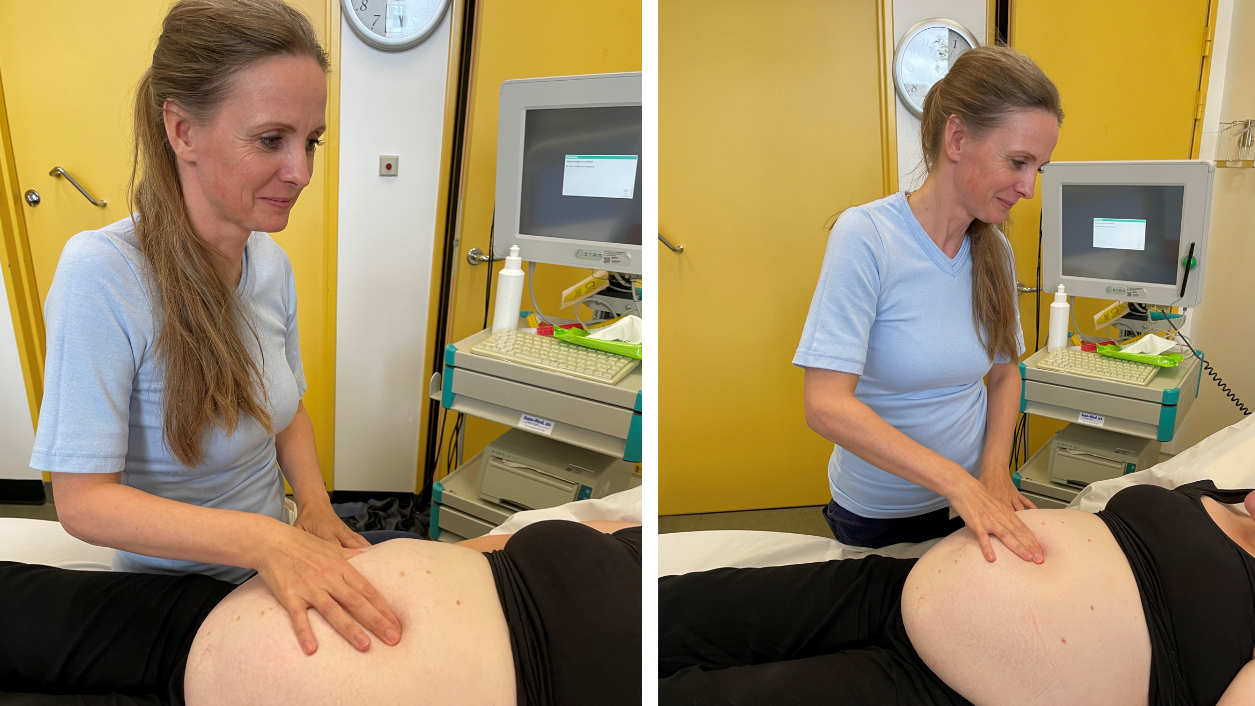
Women with gestational diabetes are at greater risk of cardiovascular disease and conditions such as high cholesterol and high blood pressure. There is no cause for alarm, but being alert won’t go amiss.
Maria Hornstrup Christensen is keen that people should not be alarmed by her findings about an association between gestational diabetes and cardiovascular disease. But she is also keen for the new information to be disseminated and made use of, ideally to raise awareness and catch health problems in time.
"If you’ve had gestational diabetes – as about 3-4% of pregnant women do here in Denmark – you might want to take a bit of extra care. That won’t go amiss," she says.
Maria Hornstrup is a midwife and is close to completing her PhD. She has just published her new findings as first author of an article in BMC: ‘Cardiovascular and metabolic morbidity in women with previous gestational diabetes mellitus: a nationwide register-based cohort study’.
Using a vast register-based dataset comprising diagnosis codes and dispensed cardiovascular medication, she found that women with gestational diabetes are at greater risk than others of developing cardiovascular disease and conditions such as high cholesterol and high blood pressure.
In the study, she compares the incidence of these diseases/conditions in women who have had gestational diabetes as against those who have not had gestational diabetes during pregnancy. The risk of heart failure, for example, turns out to be 2.3 times as great in women with previous gestational diabetes, while the risk of stroke and high blood pressure is 1.5 and 1.9 times higher, respectively, than in women who have not had gestational diabetes. The risk of developing high cholesterol is as much as 4.5 times higher following gestational diabetes. Fortunately, the individual woman’s risk of developing these diseases and conditions is very low, so this is not something women should be living in fear of day to day. Even so, there is a significant difference when the two groups’ risks are compared.
But what can women and those treating them do?
"The study doesn’t address that, but I really think these are figures we should be looking at. It’s something we need to be aware of and think about", says Maria.
Her own advice to women who have had gestational diabetes is that it would be good to be alert and get themselves followed up. It would make sense for them to speak to their GP about watching their blood pressure and cholesterol level, about lifestyle factors in general, and about being alert to any possible heart-related symptoms. They should also bear in mind that these problems can arise many, many years after the birth.
The results were obtained as part of Maria Hornstrup’s PhD project under Professor Dorte Møller Jensen of the Steno Diabetes Center Odense. They assembled a vast dataset including information on more than 700,000 Danish women.
"We obtained a very broad picture," she says.
Maria Hornstrup believes they are among the first in the world to have linked hospital diagnosis codes to the types of cardiovascular medication dispensed at pharmacies. They also looked for differences in the development of cardiovascular disease and high cholesterol according to how pronounced an individual’s gestational diabetes was - and again, they are probably the only group to have done this to date. They divided the women into three groups and examined their disease pattern over 22 years: the first group consisted of women without gestational diabetes, the second group had had gestational diabetes but were able to control it by diet and exercise, and the third group had had to supplement this with insulin.
Not altogether surprisingly, the result was that those who had avoided gestational diabetes altogether had the lowest risk, while those in the mild diabetes group had the next-lowest risk, and the insulin-treated women had the highest.
They found another figure that is important for both women and those treating them to know with regard to how careful they need to be. The study showed that, if someone has developed cardiovascular disease or high cholesterol, they will be sicker if they have previously had gestational diabetes than if they have not. They are more often admitted with diagnosis codes relating to cardiovascular disease and high cholesterol, and they receive more medication to treat those conditions.
"So, those of you who’ve had gestational diabetes, just be a bit alert. These complications can arise many years after you give birth," says Maria Hornstrup.
Meanwhile, as part of her PhD project, she is due to go to Australia at the end of October.
"The DDA puts a lot of emphasis on international collaboration during the project, and I’ve had the good fortune to be able to go and visit one of the Visiting Professors engaged by the DDA for that purpose: David McIntyre of Brisbane. I’ll be working with him, not in a clinical capacity but as an observer, and I’ll also be part of the research unit. I’ll be seeing how they treat women with gestational diabetes throughout the process, including the period after the birth, and I’m looking forward to it. We can do a lot in the interdisciplinary pathways here in Denmark, but of course there’s new inspiration to be had."
Maria Hornstrup will be away for 2½ months.
Read the open-access article here:
Christensen et al., Cardiovascular Diabetology (2022) 21:179: