
Special Issue of Diabetic Medicine Inspired by DDA Webinar
by Mie Tomzak
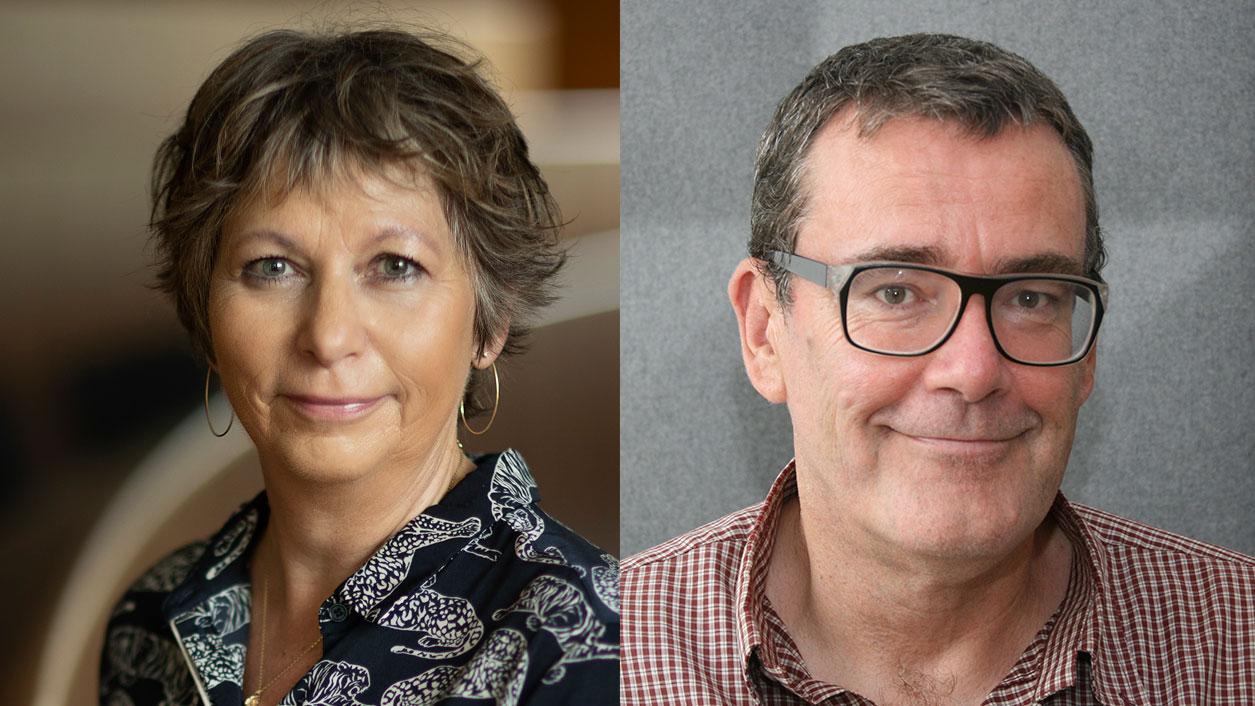
A DDA webinar on DIY technology research back in 2020 sparked the idea and the opportunity for Ingrid Willaing and Bryan Cleal to edit a special issue of Diabetic Medicine.
A growing group of people with type 1 diabetes have pioneered the development of user-driven open-source diabetes technology. This DIY movement is made possible through global internet communities where people support each other in creating diabetes technology outside of the officially issued technologies of the health care systems.
The DIY movement is the focus of a special issue of Diabetic Medicine released this May, and the inspiration came from a webinar held by the Danish Diabetes Academy in 2020. Ingrid Willaing and Bryan Cleal edited the issue.
From webinar to special issue
Ingrid Willaing and Bryan Cleal were among the organisers at the DDA webinar ‘Do-It-Yourself Diabetes Technology – Opportunity or Threat for Diabetes Research?’ in December 2020. The webinar sought to explore some of the questions posed by the emergence of the DIY movement for clinicians, researchers, people living with diabetes, and family members.
“We got the idea and the opportunity of editing a special issue of Diabetic Medicine on research about the DIY concept from the DDA webinar. The title of the special issue is ‘User-driven, open-source diabetes technology: Challenges and opportunities in diabetes care?’. We have interviewed and reviewed articles for the issue, sparred with authors, deliberated with the chief editor (Nick Oliver), and written the editorial,” explain Ingrid and Bryan.
Long-standing ties to the DDA
Ingrid Willaing is head of the Diabetes Management Research group at Steno Diabetes Center Copenhagen and a professor at the department of public health at the University of Copenhagen. Bryan Cleal is senior researcher at Steno Diabetes Center Copenhagen. He is also in the Diabetes Management Research group and is an external lecturer at Institute of Anthropology at the University of Copenhagen.
The Diabetes Management Research consists of three research teams: Psychosocial health and diabetes, equity and diabetes, and children, youth, and families with diabetes.
Ingrid Willaing is in the DDA Education Committee, and has been for the entire period. Ingrid has organised numerous workshops, seminars, and conferences with the DDA with themes ranging from core outcomes in research about and with young people with diabetes, challenges among preteens with type 1 diabetes, basal clinical and psychological research of children and young people with type 1 diabetes, disordered eating and diabetes, obesity in a life course perspective, diabetes and exercise, and two conferences on DIY technology, which Bryan Cleal also helped organise.
DIY: What and why?
The DIY concept revolves around the users themselves taking control of the way they get their insulin, such as creating an artificial pancreas with technological facilities like pumps, CGM (Continuous Glucose Monitoring), and computer power (e.g. via apps on a cell phone). This has led to a rising spread of DIY with worldwide users helping each other establish their respective systems and support each other with proper usage and maintenance of the equipment.
“This movement is very interesting,” says Ingrid Willaing, “existing in spite of significant resistance from some health care professionals and most of the pharmaceutical industry. In addition, it consists almost exclusively of internet-based networks. The movement under the hashtag #WeAreNotWaiting is very notable, as is the influence that the DIY technologies and networks have gained, because the users themselves take a step further than mere user involvement by taking control when ‘the system’ does not meet their needs nor utilises the technologies available.”
The movement #WeAreNotWaiting is the motto of the people in the diabetes community who are taking matters into their own hands, a reference to them being tired of waiting for the proper technology and support to be approved formally and disseminated.
The Steno Tech project
Both Ingrid and Bryan are involved with the Steno Tech project. Although the Steno Tech project is not about DIY, it still tackles a very central challenge in insulin pump therapy – namely to improve the treatment for people who, in spite of the pump, do not achieve the desired results. To remedy this challenge, the project uses both quantitative and qualitative research methods. This includes a comprehensive questionnaire survey of all users of insulin pumps in the capital region of Denmark, as well as interviews with people from the target group – all linked with valuable data from Danish registers. The questionnaire survey covers subjects such as psychosocial and behavioural factors of significance for insulin pump therapy, as well as satisfaction with the treatment, needs for education, and practical or technical practices and challenges of using an insulin pump.
“There is a lot of data, and it is still being analysed, but a preliminary study published in Diabetes Therapy shows that only 30 % reach the recommended level of HbA1c at < 53 mmol/mol. The analyses also show that the people who participated in the survey were predominantly women, people at +50 years of age, people with the highest educations, as well as people with well-regulated diabetes,” explain Ingrid Willaing and Bryan Cleal.
Plans and hopes for tech research
“The future plans for this kind of technology research is to contribute to disclose the challenges and problems in order to make the current and available diabetes technologies properly boost the quality of life for as many people as possible. Another aim is to investigate how as many people as possible can get the most out of the technology, especially in relation to the psychological and social perspectives,” say Ingrid and Bryan.
As they further explain, this includes the identification of predictors of needs for support in different areas and user groups. It also means to develop and test different forms of support individually and in collaboration with health care professionals. The research takes place in very close collaboration with people with diabetes and health care professionals to ensure the best possibilities of finding and prioritising what is important for the users, and via an approach that the users find both relevant and suitable.
“We also want to follow the development of this DIY movement – and possibly others – and the influence this development might have on research and treatment in the field of diabetes technology,” say Ingrid and Bryan.
Next step?
“We will continue with the Steno Tech research, exploring psychosocial and behavioural economics perspectives in relation to diabetes technology. We need to know what it takes for technology to be used optimally, ensuring a better life with diabetes. And we need to know when this is not the case – and why. Which psychosocial challenges might be connected to diabetes technology – and how can we remedy them? We are furthermore looking into the use of technology for people with type 2 diabetes. How does this group experience support from diabetes technology? Is it perhaps not that relevant or maybe even a problem for them?” Ingrid and Bryan say in conclusion.
______________
Read the editorial for the special issue of Diabetic Medicine written by Ingrid Willaing and Bryan Cleal here: User‐driven, open‐source diabetes technology: Challenges and opportunities in diabetes care? - Cleal - 2022 - Diabetic Medicine - Wiley Online Library