
World Diabetes Day – Access to Diabetes Care in Tanzania

Happy World Diabetes Day! The theme for World Diabetes Day 2021-23 is access to diabetes care. More than three in four people with diabetes live in low - and middle income countries, and millions of people around the world cannot access the care they need. Therefore, we have talked with DDA-funded postdoc Line Hjort, who has just returned from a research trip to Tanzania where access to diabetes care is poor. Here, Line Hjort and colleagues investigate gestational diabetes and how this affect children’s risk of developing diabetes later in life, among other things.
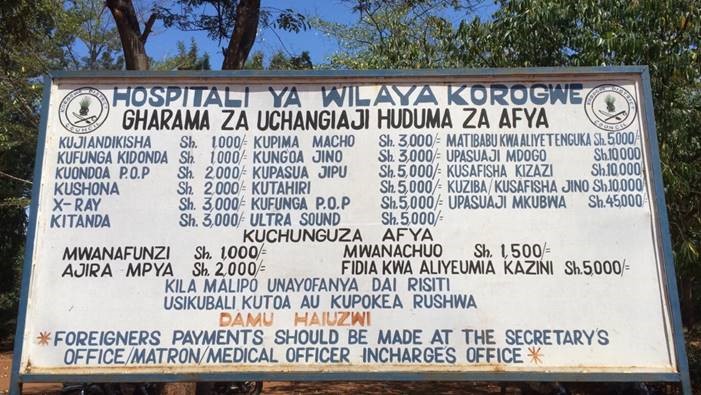
At the entrance to the hospital, Magunga Hospital, the first thing you meet is a big sign with a price list.
In the United Republic of Tanzania, access to care is poor in most regions but in the largest cities and for the wealthy few. The local hospital in the city Korogwe, Magunga hospital, covers a region as large as Zealand. Getting there is difficult due to poor infrastructure. The facilities are basic and there is no running water. And although three in four people with diabetes live in low- and middle income countries, there is no access to medication – unless you are very wealthy.
|
How does the environment during pregnancy affect children’s risk of developing diabetes?
Postdoc and human biologist Line Hjort from Copenhagen University Hospital has just returned to Denmark from Tanzania where she works on the research project “The impact of anemia and malaria in pregnancy on the child’s DNA and later health – How do we prevent non-communicable diseases across generations?”.
The study investigates how the environment during pregnancy affects the child’s development and risk of developing diabetes and other metabolic diseases later in life. More specifically, she investigates whether the mothers have diabetes, malaria and/or anemia during pregnancy and how this affects their child. All three factors are known to heighten the risk of developing diabetes later in life.
- We know through the local research center in Korogwe, The National Institute for Medical Research, that the small villages in the countryside surrounding Korogwe city has a high occurrence of malaria and anemia. However, we did not have any data on the prevalence of gestational diabetes (diabetes diagnosed for the first time during pregnancy), says Line Hjort.
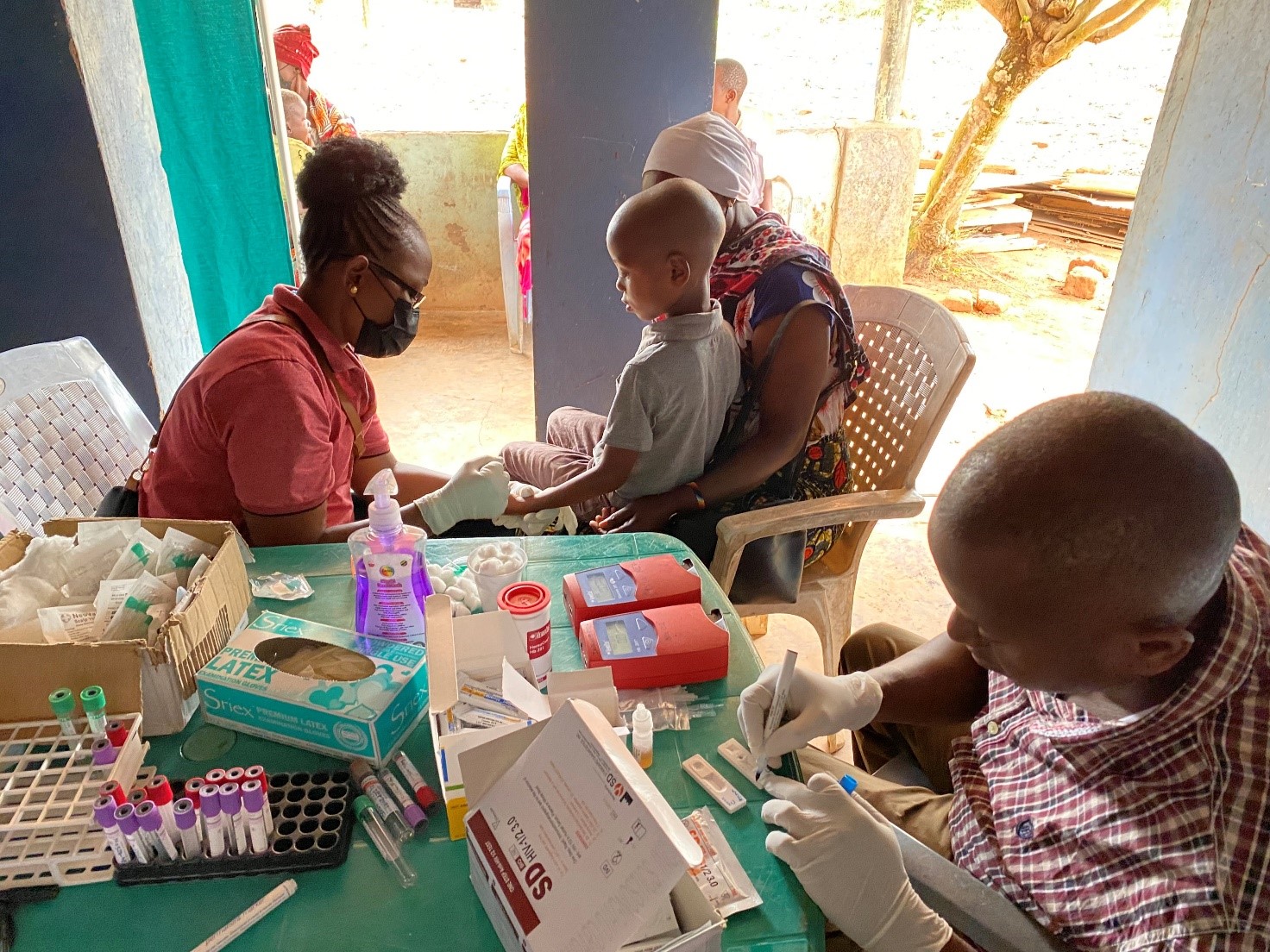
Undiagnosed and untreated gestational diabetes may have serious implications for mother and child. In the short run, it means more complicated pregnancies and childbirths because the baby is big due to the increased level of glucoses. This heightens the risk of acute C-sections. In the rural districts of Tanzania, C-sections are connected with a greater risk of infection as it is difficult to secure sterile conditions during surgeries. The child, in turn, may develop serious long-term consequences and is, among other things, in bigger risk of developing type 2 diabetes and obesity compared to other children.
More specifically, Line Hjort and colleagues found that 39 percent of the participating pregnant women had gestational diabetes. In collaboration with local researchers, she now follows their children with regular health checks until they reach adulthood.
- This is a very high percentage, says Line Hjort. Perhaps it means that the test we use in Denmark and in the western parts of the world to diagnose diabetes in pregnancy does not work well on this ethnicity. It is also likely, however, that the number is in fact very high and requires treatment.
No access to tests or medication for diabetes in Tanzania
However, in Tanzania, there is no access to medication for your diabetes unless you are very sick. You may get diet instructions and tests to see if it works, but insulin is only for the very rich. Most Tanzanians, however, have diabetes without knowing it because there is no access to tests.
- Like in the Western part of the world, it seems like type 2 diabetes occurs earlier and earlier. We suspect it may have something to do with the environment during pregnancy – and in this way, it becomes a vicious circle, says Line Hjort.
Line Hjort hopes that her research leads to the development of better health strategies on how women in a country like Tanzania should be treated and screened during their pregnancies for diabetes, among other things. Hopefully, the women in risk or who develops diabetes during pregnancy can be found and treated earlier so that it does not get consequences for mother and child.
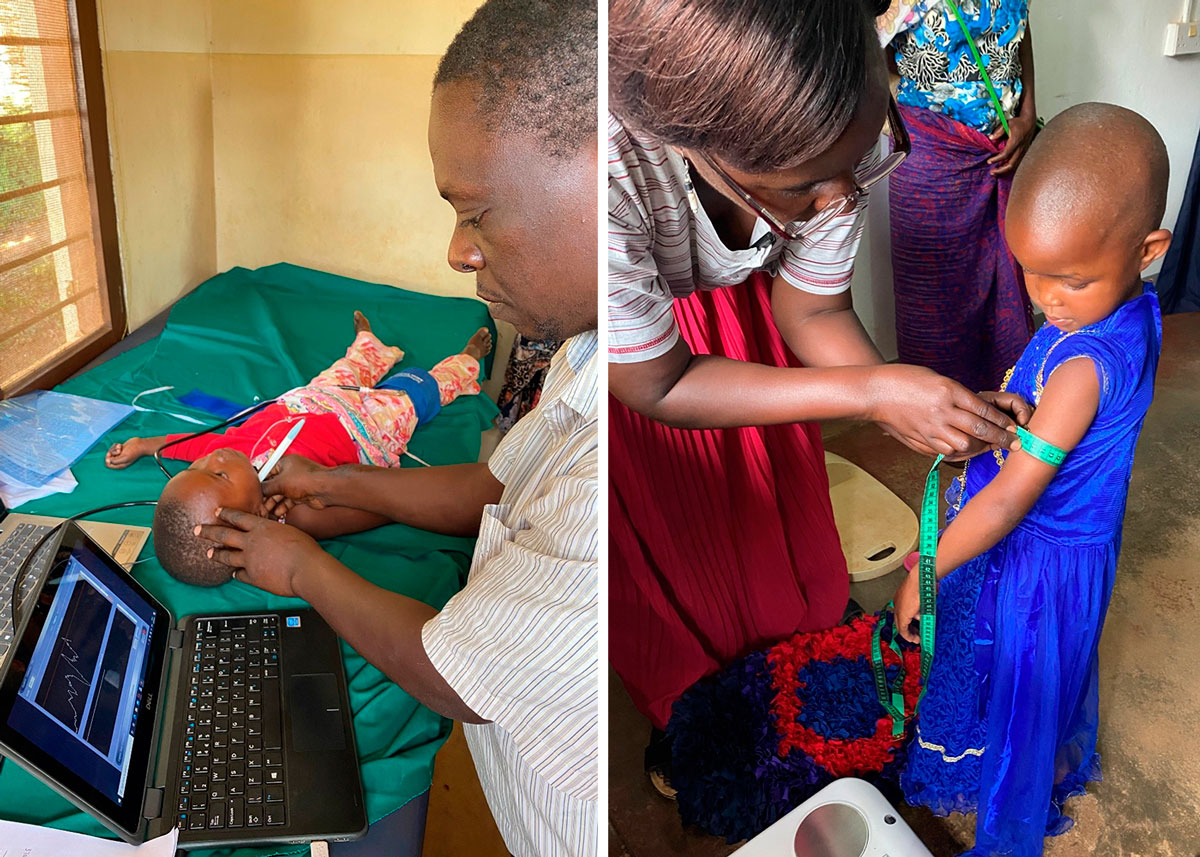 Health check. Photo: Line Hjort
Free health checks ensure high participation
Line Hjort found that it was very easy to get mothers and their children to participate in the study.
- I have never tried anything like it. In Denmark, we are lucky if 40 – 50 per cent of the target group wants to participate. In Tanzania, only one out of 650 participants said no, says Line Hjort.
Line Hjort thinks this is due to the poor level of access to care in Tanzania. Like parents all over the world, Tanzanian parents want to provide their children the best possible living conditions. However, many Tanzanians do not have enough money to go to the doctor or to the hospital.
- In connection with this study, we offer free health checks. Most want to participate in free health checks – both for their own sake and for their child. If we diagnose diseases or infections during the health checks, we provide them with free medicine, says Line Hjort.
Unique cohort
The cohort is unique. It is sampled in a basic land district that the University of Copenhagen has collaborated with for more than 20 years. The locals live in basic huts and grow their own food. There are no out-coming factors such as tourists or McDonalds etc. that affect the society.
The study includes more 1,000 mothers and children. It includes women that were included in the study before they got pregnant, which is rare. The women were followed every third month with a pregnancy test. The women who got pregnant were included. The children are now between the ages of five and 12 years old and the researchers aim to follow up on their health every third to fourth year with a health check. The cohort also includes a control group of mothers who were well during pregnancy and their children.
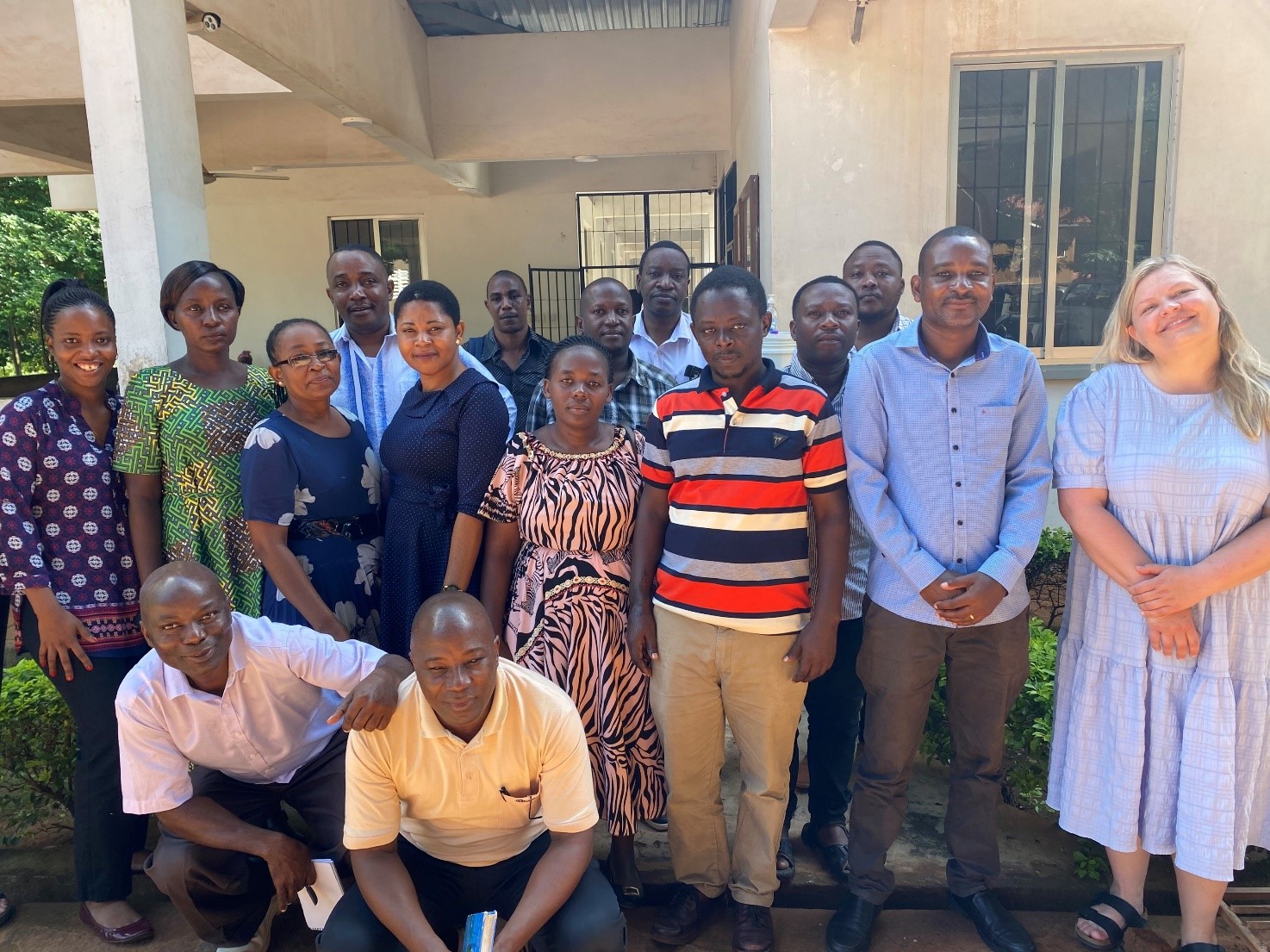 Line Hjort with the whole team behind ”The National Institute for Medical Research ”: Dr. Omari Msemo (striped t-shirt) is the local PI on the project on a daily basis. Photo: Line Hjort.
World Diabetes Day: Access to diabetes care
The theme for World Diabetes Day 2021-23 is access to diabetes care.
100 years after the discovery of insulin, millions of people with diabetes around the world cannot access the care they need. People with diabetes require ongoing care and support to manage their condition and avoid complications.
The centenary of the discovery of insulin presents a unique opportunity to bring about meaningful change for the more than 460 million people living with diabetes and the millions more at risk.
For more about World Diabetes Day, please visit https://worlddiabetesday.org/
Do you want to know more about the research presented in this article?
Contact:
Line Hjort
Afdeling for Graviditet, Fødsel og Barsel, Juliane Marie Centret, Rigshospitalet
line.hjort@regionh.dk
This far, the study has resulted in two articles: “FOETAL for NCH – FOetal Exposure and Epidemiological Transitions: The Role of Anaemia in Early Life for Nin-Communicable Diseases in Later Life: A Preconception Study in Rural Tanzania” in BMJ Open and “High Prevalence of Gestational Diabetes Mellitus in Rural Tanzania—Diagnosis Mainly Based on Fasting Blood Glucose from Oral Glucose Tolerance Test” in International Journal of Environmental Research and Public Health.
It is expected that data on the children’s health from the first follow-up visit is ready to be published in 2022.