
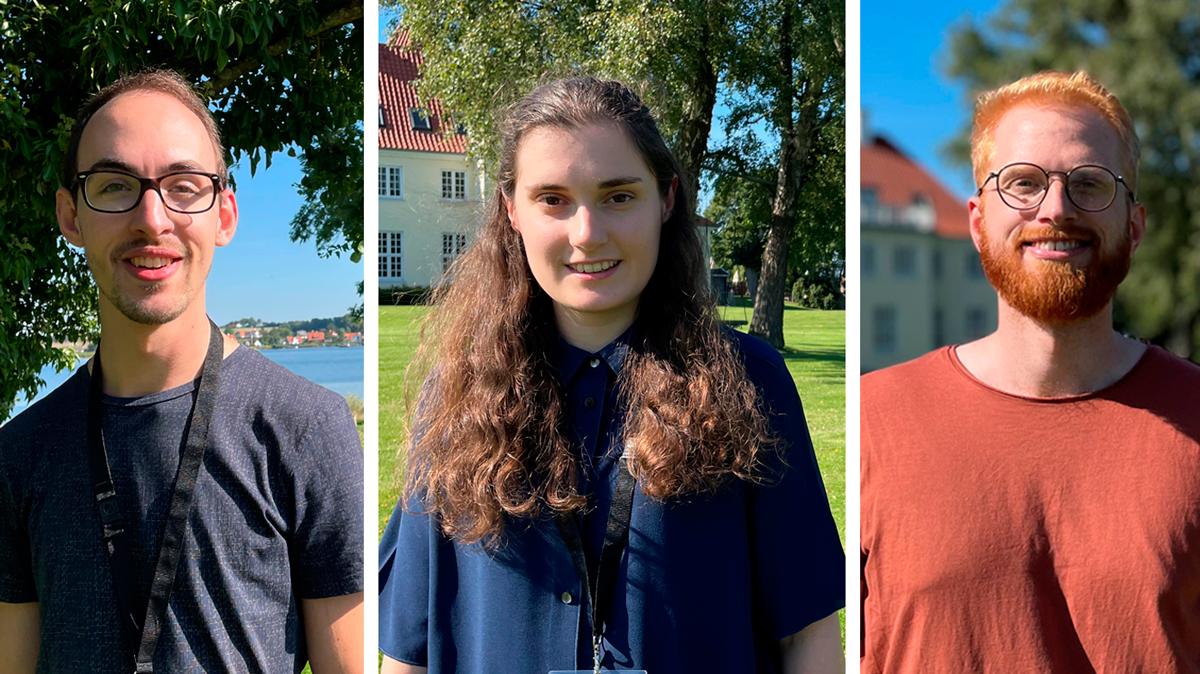
How is the DDA Summer School experience? We have asked three PhD students to find out
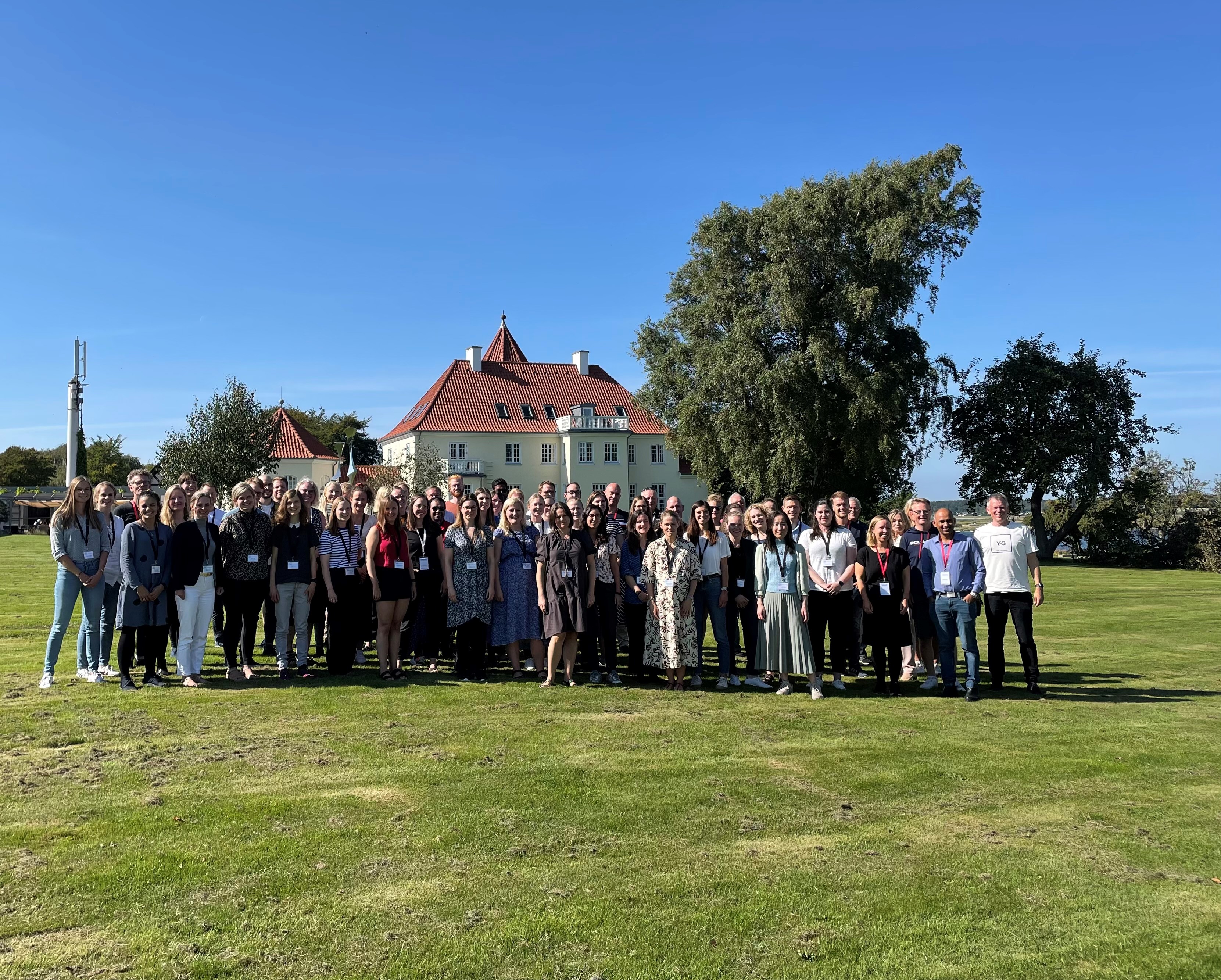
Fifty talented PhD students participated in this year’s DDA Summer School on Diabetes & Metabolism. In keeping with tradition, it was held in the beautiful sunny surroundings of Sinatur Hotel Gl. Avernæs, Funen. For four days, the PhD students participated in a tight-packed programme of expert talks, workshops, PhD poster sessions and opportunities to “meet the professor”. – All mixed with social activities such as scavenger hunts, yoga and canoeing.
But how is the DDA Summer School experience? And what do you get out of participating? We have asked three of this year’s participating PhD students to find out.
Summer school gives you a unique overview of the diabetic field
- The DDA Summer School is a great opportunity to get a good overall view of the diabetic field and to be updated on the latest work. Additionally, you get to see where your own research fits into the wider field, says Alice Williamson, PhD student within genetics at the University of Cambridge.
Daniel Hansen, who is a PhD student within hepatic fibrosis/NASH development at the University of Southern Denmark, agrees.
- The talks I hear at work are very specialised within my own subfield. Here at the Summer School, you get nuances that you do not get in your everyday life, says Daniel Hansen.
In fact, you do not only get a good overview of the diabetic field. If you ask Johan, the Summer School helps you understand the trinity of academia, the clinic and the industry.
- The DDA Summer School is a unique opportunity to learn how the inner mechanics work within all of academia, the clinic and the industry. What areas they each cover and the relationship between the three because you have talks on all three areas. I do not think you get the opportunity to understand the big picture like this many other places, says Johan Onslev, PhD student within molecular physiology at the University of Copenhagen.
Networking shines new perspectives on your research
All three PhD students think that meeting new people and creating a network is one of the best things you get out of attending the Summer School.
- People from all backgrounds participate in the Summer School: Doctors, human physiologists, human biologists, clinicians, basic researchers and engineers who provide you with the technical aspects. I mean, you get the full circle and the mix of backgrounds gives rise to really interesting conversations, says Johan Onslev.
Additionally, talking to other PhD students and principal investigators (PI’s) during poster presentations or over dinner shine new perspectives on your research.
- I particularly enjoyed the poster session. Here, you discuss your research with other participants and you get to interact with the PI’s. It is a great opportunity to get their thoughts and perspectives from a different viewpoint than what you would have normally got, says Alice Williamson.
Alice Williamson is looking forward to bringing home the new ideas and knowledge and apply it to her project.
Unique combination of basic and clinical research
DDA Summer School covers both basic and clinical research. The students find this approach very rewarding.
- It is a good mix. As a clinical researcher, it is quite valuable to see how basic science can be translated into the clinic, says Alice Williamson.
Johan Onslev and Daniel Hansen are both basic researchers and appreciate the extra layer that the clinical research provides.
- The translational aspect from mouse to woman and from woman back to mouse provides you with the full circle. I find this quite unique, says Johan Onslev.