
POSTPONED - Diabetic Wound Healing Workshop
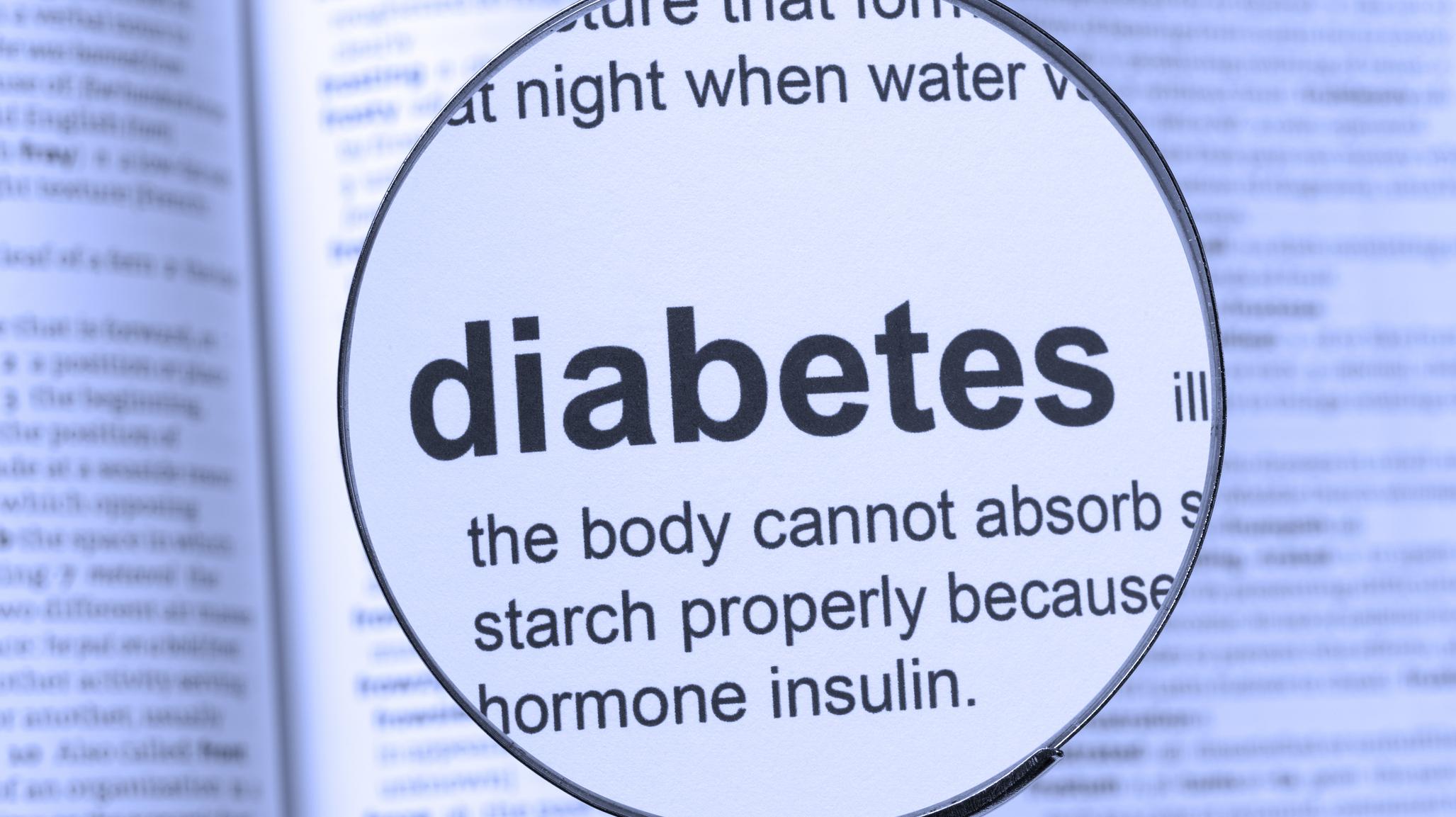
The workshop is expected to be held later in 2020.
Due to the enhanced situation with COVID-19, the Danish government, hospitals and universities have restricted rules regarding travel and participation in both national and international conferences and meetings. Therefore, we have decided to postpone the workshop.
More information regarding the exact dates for the workshop will follow. Please stay updated on our website.
****
The Diabetic Wound Healing Workshops is an interactive workshop, where we will facilitate interdisciplinary collaborations involving national and international research groups and clinicians within the field. Presentations from key researchers and different research groups, round table discussions and walk & talks will inspire to two days of interdisciplinary thinking where researches, clinicians and the industry can deliberate solutions to promote the healing of diabetic wounds.
- Time & place
- Who can attend?
- Detailed description
- Programme & speakers
- Organisers
- Registration
- Additional information
TIME & PLACE
TBD
For map of Roskilde University: https://ruc.dk/find-vej-til-og-paa-roskilde-universitet
WHO CAN ATTEND?
The workshop addresses PhD students, postdocs, young investigators, fellow researchers and clinicians with an interest in the field of diabetic wound healing.
Participants will be allocated a seat on a first come, first served basis.
DETAILED DESCRIPTION
Research into mechanisms of impaired wound healing in diabetes mellitus is important, since non-healing wounds constitutes the leading cause of amputations of especially toes and lower limbs in diabetes patients. This is a very important problem not only in Denmark, but certainly also in a global perspective. Efficient care requires many and frequent visits to foot therapists and occasionally surgical intervention. Wounds are chronic especially due to neuropathy and impaired blood perfusion. All of this contributes to societal costs of treating long-standing diabetes mellitus.
During the Diabetic Wound Healing Workshop, we will cover three themes (see below) related to chronic diabetic wound healing and presentations from key researchers within the field and different research groups will inspire to two days of interdisciplinary thinking. Throughout the workshop, we will engage in group work, round table discussions, meet the professor-session and walk & talks. By the end of the workshop, we will discuss future perspectives and collaborations.
The participants will acquire “state of the art” knowledge in the following specific areas of diabetic wound healing:
- Clinical aspects of diabetic wound healing: Clinical Challenges I
Set the stage: Description the clinical problems. - Pathogenic mechanisms
Pathogenesis and host response mechanisms – also introducing novel concepts of diabetic wound management by biological factors - Wound healing challenges from the technical side
Wound dressings and drug delivery – novel approaches to bio-technical wound management - Clinical Challenges 2
Microbiota: friend or foe? Pre-clinical and clinical wound healing models.
PROGRAMME & SPEAKERS

Speakers:
- Ermelindo Leal, Center for Neurosciences and Cell Biology, University of Coimbra (PT)
- Håvard Jenssen, Department of Science and Environment, Roskilde University (DK)
- Karen A. Krogfelt, Department of Science and Environment, Roskilde University (DK)
- Klaus Kirketerp-Møller, Videncenter for Sårheling, Bispebjerg Hospital (DK)
- Louise Dalgaard, Department of Science and Environment, Roskilde University (DK)
- Mariena van der Plas, Department of Pharmacy, Leo Foundation Center for Cutaneous Drug Delivery, Copenhagen University (DK)
- Marité Cardenas, Biomedical Laboratory Science, Malmö University (SE)
- Páll Karlsson, Danish Pain Research Centre, Aarhus University (DK)
- Rasmus Lundquist, ReApplix Experiences from ReApplix LeucoPatch (DK)
- Reidar Lund, Department of Chemistry, University of Oslo (NO)
- Robert Luxenhofer, Department of Chemistry, Helsinki University (FI)
- Tarun Ahluwalia, SDCC, Herlev & Gentofte Hospital, Copenhagen (DK)
ORGANISERS
- Karen A. Krogfelt, Professor, Department of Science and Environment, Molecular & Medical Biology, Roskilde Universit (DK), karenak@ruc.dk
- Louise Dalgaard, Professor, Department of Science and Environment, Molecular & Medical Biology, Roskilde University (DK)
- Håvard Jensen, Professor, Department of Science and Environment, Molecular & Medical Biology, Roskilde University (DK)
REGISTRATION
Registration deadline: Extended to 5 March 2020
ADDITIONAL INFORMATION
Certification
Please contact the DDA, if you wish to receive a certificate of completion after the workshop. Please note that the workshop does not generate any ECTS points.
No-show fee
It is free of charge to participate in the course however the DDA will charge a no-show fee of 150 DKK if you do not show up and have not unregistered from the course prior to its start.